


Survivorship can mean different things to different people, but it generally refers to the experience of living with, through, and beyond cancer. By this definition, survivorship begins at diagnosis and includes individuals who continue to receive treatment to reduce the risk of cancer returning or to manage cancer as a chronic condition. Others may think of survivorship as the period after treatment ends, when there is no evidence of disease. No matter how it is defined, survivorship is unique for every person. Each individual must find their own ways to cope and the right sources of support to navigate the physical, emotional, and practical changes that can occur as a result of cancer.
Advances in medical research have greatly improved the effectiveness of cancer treatments. As a result, the number of people living with a history of cancer in the United States has grown dramatically, from about 3 million in 1971 to more than 18 million today. Because more people are surviving cancer, the focus is no longer only on how long someone lives. Increasingly, attention is placed on how well survivors are able to live during and after treatment.

After you complete cancer treatment, your doctor will continue to monitor your recovery, manage any lingering side effects, and watch for signs that the cancer has not returned. Your follow‑up care plan may include regular visits for physical examinations, as well as laboratory tests and/or imaging studies over the coming months and years.
Your healthcare team at Southern Cancer Center will provide information and tools to support you both immediately after treatment ends and in the long term. This is also a good time to decide who will manage your ongoing primary medical care. You may wish to schedule a follow‑up appointment with your primary care physician, such as a family medicine or internal medicine doctor. If you do not already have a primary care provider, your oncologist can help with a referral or provide a list of physicians in your area.
Maintaining regular follow‑up care and having a strong medical support system are essential for both physical and emotional well‑being. Follow‑up care helps ease the transition back to everyday life and gives you greater confidence and control. You have been through a lot and ongoing care can help you stay healthy and supported in the years ahead.
During follow‑up care, your physician will monitor for any signs that cancer has returned. A recurrence occurs when cancer comes back after treatment. In some cases, very small areas of cancer cells may remain in the body and cannot be detected by current tests. Over time, these cells may grow until they appear on imaging or laboratory tests or begin to cause symptoms. Depending on the type of cancer, a recurrence can occur weeks, months, or even years after the original treatment.
At your follow‑up visits, your doctor will ask specific questions about your health and may perform a physical examination. Blood tests or imaging studies may also be ordered. Unfortunately, there is no way to predict with certainty who will experience a recurrence. The likelihood of recurrence, and when or where it may occur, depends on the type of cancer you were originally diagnosed with. For this reason, your doctor may review specific signs and symptoms for you to watch for and report promptly.
If a recurrence is suspected, your doctor will order the appropriate diagnostic tests, imaging studies, or biopsies to gather as much information as possible and guide timely care. Once testing is complete, your doctor will meet with you to discuss the results and explain the recommended next steps.
It is common to experience side effects during cancer treatment. However, some side effects may continue or develop after treatment has ended. These long‑term or late effects depend on the type of cancer, the treatments received, and your overall health. Your physician can help determine your risk for developing long‑term side effects based on your individual treatment plan. Some potential long‑term side effects of cancer treatment are described below. Not everyone will experience these effects, and many can be managed with the help of your healthcare team.
Bone and Joint Problems
Patients who received chemotherapy, steroid medications, or hormonal therapy may develop thin or weakened bones, called osteoporosis, or experience joint pain. You can help lower your risk of osteoporosis by avoiding tobacco products, eating foods rich in calcium and vitamin D, and engaging in regular physical activity. Your physician may also prescribe medications that slow bone loss, reduce further bone damage, and help promote bone strength.
Chemo Brain
“Chemo brain” is a commonly used term to describe problems with thinking, memory, or concentration after cancer treatment. The severity may vary from person to person; however, these symptoms have also been reported in those who did not receive chemotherapy. If you experience difficulty concentrating, multitasking, understanding information, or remembering things, especially if symptoms interfere with daily life, talk with your doctor or another member of your healthcare team about ways to help manage these issues.
Digestive Problems
Following chemotherapy, radiation, or surgery, digestion may be affected by chronic diarrhea that reduces the body’s ability to absorb nutrients. Radiation to the abdominal area may cause scarring, chronic pain, or other intestinal problems. If you experience any of these problems, a nutritionist or dietitian can address your digestion concerns and help you maintain a healthy weight. Your doctor may also refer you to a gastroenterologist for further evaluation and treatment.
Endocrine (Hormone) System Problems
Certain cancer treatments can affect the endocrine system. Men and women who receive radiation therapy to the head and neck may experience lower levels of hormones or changes in thyroid function.
Chemotherapy, hormonal therapy, and radiation to the pelvic area may cause women to have lighter/fewer menstrual periods or stop menstruation completely, leading to early or permanent menopause. It’s possible for menstrual periods to return in younger women after treatment, while women over 40 are less likely to resume normal cycles. Surgical removal of a woman’s ovaries and/or uterus will also cause symptoms of menopause. Men treated for prostate or breast cancer with hormonal therapy, or those who have had their testicles removed, may experience symptoms similar to menopause.
Emotional Difficulties
Cancer survivorship can bring a wide range of emotions, including relief, gratitude, fear of recurrence, anger, guilt, depression, anxiety, or feelings of isolation. It is normal to experience emotional ups and downs during this time. If emotional challenges begin to interfere with daily activities, relationships, or overall well‑being, talk with a member of your healthcare team. Emotional support and counseling can be an important part of survivorship care.
Fatigue
Fatigue is one of the most common long‑term effects of cancer treatment. Some survivors experience persistent physical, emotional, or mental exhaustion for months after treatment ends. This fatigue can significantly affect your quality of life. If fatigue is ongoing or severe, talk with your physician. There are strategies and treatments that can help manage cancer‑related fatigue.
Heart Problems
Radiation therapy to the chest and some types of chemotherapy can affect heart health. Patients 65 and older and those who received higher doses of chemotherapy have an increased risk for developing heart problems. These may include swelling of the heart muscle, problems with the heart’s ability to pump blood, or heart disease.
Your doctor may have monitored your heart during treatment with echocardiograms (ultrasound imaging of the heart, also called an ECHO). Your healthcare provider will discuss whether ongoing heart monitoring is recommended.
Lung Problems
Chemotherapy and radiation therapy can cause changes in lung function. These may include inflammation, thickening of lung tissue, reduced lung capacity, or difficulty breathing. Survivors who received both chemotherapy and radiation therapy may have a higher risk of lung damage. People with a history of lung disease, such as asthma or COPD, and older adults may experience additional lung‑related concerns.
Lymphedema
Lymphedema is the abnormal accumulation of fluid in soft tissue caused by a blockage in the lymphatic system. It most commonly affects the arms and legs, particularly in people treated for breast or genitourinary cancers (cancers of the urinary tract, bladder, kidneys, prostate, testicles, or penis). Lymphedema can also occur in others parts of the body, including below the chin, face, and occasionally in the mouth.
In some cases, swelling improves on its own as the body heals and normal lymph fluid resumes. Lymphedema may become chronic when the lymphatic system can no longer meet the body’s demand for fluid drainage. There is no cure for chronic lymphedema, but it can be effectively managed with proper care.
Peripheral Neuropathy
Peripheral neuropathy is nerve damage that affects the nerves responsible for sending signals between the brain and body. This damage can be caused by radiation therapy, some types of chemotherapy, or by the cancer itself. Depending on which nerves are affected, a person can develop numbness, tingling, pain, muscle weakness, or dizziness.
If you develop neuropathy, your doctor can help treat your symptoms. Many people recover fully within a few months to a few years. However, sometimes the condition may be more difficult to cure and may require long-term management.
Secondary Cancers
In rare cases, chemotherapy and radiation therapy can damage bone marrow stem cells and increase the risk of developing secondary cancers, such as acute leukemia or myelodysplasia (a cancer in which healthy, mature red blood cells, white blood cells, or platelets fail to be produced). Talk with your doctor about your individual risk and any symptoms that should be reported immediately.
Other Physical Effects
Some survivors may have had a part of their body altered or removed during cancer treatment. Survivors of bone or soft tissue cancers may experience physical and emotional challenges from losing all or part of a limb, such as phantom limb pain (a feeling of pain in the limb that was removed). A wide range of supportive care and rehabilitation services are available to help survivors manage physical changes, regain function, and improve quality of life.
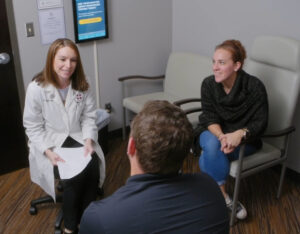
The transition from active treatment to survivorship is different for every person. After treatment ends, many cancer survivors describe a wide range of emotions, from relief and gratitude to fear and uncertainty. Some survivors find that they appreciate life more, gain a new perspective, and develop greater self‑acceptance. At the same time, others may feel anxious about their health or unsure how to cope with life after treatment, especially as frequent visits with the healthcare team become less common.
During treatment, close relationships patients develop with their healthcare team provide a sense of support and security. When treatment ends, that regular contact changes. Many survivors miss this “safety net,” particularly as new concerns may arise, such as physical symptoms, emotional challenges, fertility concerns, financial stress, or workplace issues.
Fear of Recurrence
One of the most common concerns among cancer survivors is the worry that the cancer will return. Fear of recurrence is very real and completely normal. These worries may be triggered by physical symptoms such as headaches, coughing, or joint stiffness, or by events such as follow‑up appointments, medical tests, or the anniversary of a diagnosis. For some survivors, ongoing worry and uncertainty can contribute to anxiety or depression. While you cannot control whether cancer returns, you can influence how much fear of recurrence affects your daily life.
Methods of Coping
There are healthy and effective ways to manage fear and uncertainty:
- Talk with your doctor. Ask for accurate information about your specific risk of recurrence and what symptoms to watch for. Many cancers have predictable patterns of recurrence and understanding these can be reassuring.
- Acknowledge your emotions. Share your fears and feelings with a trusted friend, family member, counselor, or support group. Writing in a journal or blog may also help you process your thoughts.
- Practice self‑care. Healthy eating, regular physical activity, and adequate sleep can improve both physical and emotional well‑being. Avoid unhealthy habits such as smoking or excessive alcohol use, which are linked to increased health risks.
- Manage stress. Lowering stress can reduce anxiety. Try different relaxation strategies to find what works best for you, such as spending time with loved ones, enjoying hobbies, walking, meditating, exercising, taking a warm bath, or laughing at a favorite book or movie.
Remember, many survivors find that these feelings become more manageable over time. Support is available, and you do not have to navigate survivorship alone.
 The transition to survivorship can be a powerful motivation to make positive lifestyle changes. For cancer survivors, developing healthy habits is especially important to help rebuild strength, reduce the severity of long‑term side effects, lower the risk of secondary cancers or other health conditions, and improve overall quality of life. It is also important to set realistic expectations. Lasting change usually does not happen overnight. By focusing on small, achievable goals each day, you can gradually work toward meaningful, long‑term lifestyle improvements.
Healthy lifestyle changes to consider:
- Stop using tobacco. Quitting tobacco is the single most important step a person can take to lower future cancer risk. Tobacco use is linked to at least 15 types of cancer. Many resources are available to help, including counseling, medications, and support programs.
- Limit alcohol intake. Alcohol is consistently linked to an increased risk of cancer. Experts recommend that women have no more than one alcoholic drink per day and men no more than two. One drink is defined as 12 ounces (oz) of beer, 5 oz of wine or 1.5 oz of 80-proof liquor.
- Eat a healthy, balanced diet. Choosing meals rich in fruits and vegetables, whole grains, and other minimally processed, low‑fat foods can help survivors regain strength after treatment. Healthy eating also reduces the risk of heart disease, high blood pressure, obesity, and diabetes. Research suggests that these habits may lower the risk of cancer recurrence and support longer life.
- Exercise regularly. Research has shown regular exercise will improve quality of life for cancer survivors. Physical activity can help reduce anxiety, depression and fatigue; improve self-esteem; boost mood; support heart health; reach and maintain a healthy weight; and increase muscle strength and endurance. Exercise also lowers the risk of high blood pressure, heart disease, stroke, and diabetes. Some studies suggest that regular exercise may reduce the risk of recurrence in certain cancers, including breast, colon, prostate, and ovarian cancers. Survivors are encouraged to avoid inactivity and aim for at least 150 minutes of moderate aerobic exercise (such as walking) each week and resistance/strength training two to three days per week. Start slowly and increase activity as tolerated.
- Manage stress. Managing stress is an important part of recovery and long‑term health. Chronic stress has been linked to poorer health outcomes and lower quality of life. Small changes can make a difference, such as setting boundaries, saying no to unnecessary demands, and making time for rest. Other helpful stress‑management strategies may include exercise, social activities, support groups, yoga, meditation, massage, acupuncture, or other relaxation techniques.
Many survivors struggle with questions about why they were diagnosed with cancer and why they survived when others may not have. Some re‑examine long‑held beliefs as they try to make sense of their experience and find new meaning in life. While everyone does this differently, some survivors find clarity through the approaches described below.
Re-Evaluating Old Patterns and Priorities. A cancer diagnosis may lead patients to reflect on what truly matters. They may begin asking questions such as:
- Are my relationships fulfilling?
- Does my job bring me purpose or am I just meeting others’ expectations?
- What feels most important in my life now?
Reaching Out for Spiritual Support. For some, spirituality or faith provides comfort, strength and guidance. This may include prayer, meditation, attending religious services, or speaking with a spiritual advisor or faith leader.
Keeping a Journal or Blog. Writing about your thoughts and emotions can support self‑reflection and personal or spiritual growth. Taking time each day or week to record your feelings may help you better understand yourself and what gives your life meaning after cancer. Blogging or sharing through social media may also help you connect with and inspire others who are going through similar experiences.
Finding New Ways to Support Emotional Well-Being. Survivors may choose to begin new activities such as yoga, meditation, art or music therapy, drawing, or creative expression to help reduce their fear and anxiety while promoting relaxation and emotional health.
Cancer can change how you relate to your family, partner, and friends, and how they relate to you. When active treatment ends, some relationships may grow closer, while others may become more distant. Challenges in relationships that existed before a cancer diagnosis may come to the surface, and everyone involved may be affected in ways they do not immediately recognize.
Parenting and Family Life
Living with and beyond cancer often prompts people to reflect on how they live their lives, including how they parent. After treatment ends, many survivors find that parenting brings new and sometimes unexpected challenges. Feelings of guilt related to time away from home or decreased availability during treatment can lead to a strong desire to be a “normal parent,” or even a “super parent,” to make up for lost time.
As you adjust to life after treatment, it is important to be kind to yourself. You can only do your best and perceived limitations do not define your value as a parent. Many survivors feel pressure to make every moment with family “count.” While understandable, trying to fill every moment with activities can create stress for both you and your loved ones. Consider choosing calm, manageable ways to connect that allow you to enjoy time together, such as watching a favorite movie, sharing a meal, or going for a walk.
Sexuality and Intimacy
Interest in sex is often lower during cancer treatment or times of crisis, but may improve during recovery and survivorship. However, some survivors experience ongoing changes in sexual function or desire due to cancer or its treatment. Physical changes may affect the way a person feels about his or her body and their physical attractiveness, such as losing a breast or testicle, having a colostomy, losing weight or hair, or having scars or skin changes.
Intimacy is closely connected to both your relationship and how you feel about yourself. Open, honest communication with your spouse or partner can help you both adjust to changes brought on by cancer. Counseling with a professional experienced in working with cancer survivors can also be helpful for individuals and couples.
Starting or Expanding Your Family
For many women, becoming pregnant after cancer treatment is considered safe, and pregnancy does not appear to increase the risk of cancer recurrence. However, how long to wait before trying to become pregnant depends on several factors, including the type and stage of cancer, treatments received, the need for ongoing therapy, age, and personal preferences. If you are considering pregnancy, talk with your doctor about whether your body can safely support it and about the appropriate timing.
For male survivors, there are no specific guidelines for when to attempt to conceive after treatment. Depending on individual circumstances, doctors may recommend waiting before trying to have a child. Discuss your specific situation with your healthcare provider.
 For many people, returning to work is a sign, both to themselves and the world, of getting back to “normal.” Working can provide opportunities to reconnect with colleagues and friends, focus on something other than cancer, engage in interesting and challenging projects, and re-establish a regular routine and lifestyle. At the same time, transitioning back into the workforce can feel overwhelming.
Every survivor’s work situation is different. Some return after taking time off for treatment, while others may have worked throughout treatment. Decisions about returning to work often depend on factors such as financial needs, health insurance, the type of work you do, and how you are feeling physically and emotionally during recovery.
Planning Your Return
The first step is to talk with your doctor about whether you are ready to return to work. Timing will depend on the type of cancer and treatment you received, as well as the demands of your job. Once you are planning to return, consider meeting with your human resources department to discuss transition options. If you were on continuous leave or Family and Medical Leave Act (FMLA) leave, your employer may require documentation from your healthcare provider indicating that you are able to return to work and confirming your return date.
Other strategies that may help ease the transition include:
- Taking short breaks throughout the day to manage energy levels
- Using lists, reminders, or electronic calendar alerts to stay organized
- Scheduling regular check‑ins with your manager to discuss progress and make adjustments as needed
Talking with Coworkers
Deciding when and how to share your cancer experience with coworkers is a personal choice. If you have been away from work for some time or your appearance has changed, coworkers may have questions. Thinking in advance about what you want to share and what you prefer to keep private can be helpful.
Some people choose to speak privately with a few close coworkers, while others find it easier to send an email or make a brief announcement at a staff meeting. Consider your workplace culture and what feels most comfortable for you. While some coworkers or employers may respond awkwardly due to lack of familiarity with cancer, most survivors find that colleagues are supportive and caring. Often, people take cues from you—if you are comfortable discussing your experience, they are more likely to be comfortable as well.
Finding a New Job
For some survivors, the cancer experience leads to a reassessment of career goals and priorities. Others may be unable to return to their previous job due to physical, emotional, or practical limitations and may need to pursue a new direction. If you are seeking new employment, focus on your individual situation and take proactive steps to support your confidence and well‑being. Maintaining self‑esteem and a positive outlook can be challenging during a job search, but support from career counselors, social workers, or survivorship resources may be helpful.
Managing Your Finances
The cost of cancer care can be high. Even people with reliable health insurance may face medical bills that add up quickly. Many survivors also experience a loss of income if they were unable to work during treatment, which can make it difficult to cover both medical and household expenses. Financial stress may continue or increase if returning to work is delayed or not possible after treatment.
If you are coping with the financial impact of cancer, the following steps may help:
- Explore additional sources of income if you are unable to return to work or need temporary support.
- Organize bills and rank them in order of priority.
- File an appeal. If your insurance company has denied payment for a service or treatment, you have the right to request a full and fair review of their decision.
- Communicate with creditors. Many are willing to offer payment plans or temporary relief.
- Ask for help. Reach out to a trusted friend, family member, or a social worker for support.
- Contact organizations that assist cancer survivors with financial counseling, grants, or other resources.
Every cancer survivor faces unique concerns and challenges, some of which may not be addressed specifically in this booklet. When challenges arise, an important first step is recognizing your fears and talking about them. Effective coping involves understanding the issue you are facing, considering possible solutions, seeking and accepting support from others, and feeling comfortable with the decisions you make. Talking with your doctor or another member of your healthcare team about any concerns is an essential part of follow‑up care, especially if something is preventing you from fully enjoying life. Just as support was available during treatment, help continues to be available as you transition into survivorship and beyond.
Rehabilitation Services
A variety of rehabilitation services are available to help survivors regain independence, improve function, and enhance quality of life. Survivors and their family members are encouraged to be active, informed partners in the rehabilitation process.
Your healthcare team at Southern Cancer Center can help connect you with local resources, which may include:
- Certified health and fitness programs
- Clinic trials for cancer survivors
- Family counseling
- Individual counseling
- Marriage or couples therapy
- Genetic counseling
- Home care services
- Nutritional planning
- Occupational therapy
- Pain management specialists
- Physical therapy
- Recreational therapy and camps
- Tobacco cessation programs
- Vocational (career) counseling
- Survivorship support groups
As you move from active treatment into survivorship, remember that you are not alone. Family, friends, and community resources are available to help you manage the emotional, practical, and financial challenges that may arise as you adjust to life after cancer.
Making a Difference
Many survivors express a strong desire to “give something back” after experiencing the care and kindness of others during their cancer journey. Many realize they have valuable experiences and insights that can help others facing similar challenges. If you are interested in giving back, consider your own interests, skills, and passions, and how organizations might benefit from your involvement. Volunteering can make a meaningful difference in someone else’s life while also providing purpose and fulfillment for you.
Some opportunities may include:
- Service and peer support
- Awareness and education
- Fundraising
- Advocacy
American Cancer Society Website
Has a wealth of information on Survivorship for all cancer survivors.
https://www.cancer.org/cancer/survivorship
ACS Cancer Survivors Network
The Cancer Survivors Network is an online community that provides peer support through discussion boards and chat rooms available to cancer patients, survivors, caregivers, families, and friends.
https://csn.cancer.org
NIH Office of Cancer Survivorship
This site by NIH focuses on the cancer journey, from diagnosis through survivorship and provides patient and caregiver resources for all phases of the cancer journey. It also provides a link to view Cancer Survivor and Caregiver Stories.
https://cancercontrol.cancer.gov/ocs/resources/survivors-caregivers-advocates
Cancer Care
Cancer Care offers a variety of online resources specifically for post-treatment survivorship including counseling information, blogs, podcasts, online support groups, workshops, community programs, and much more!
https://www.cancercare.org/services
Blood Cancer United
Offers many resources such as nutrition and/or financial information, podcasts, online chats, online discussion board communities, and community resources for patients diagnosed with blood cancers.
https://bloodcancerunited.org/blood-cancer-care/adults/follow-up-care-survivorship
Foundation for Women’s Cancer
This site offers a survivorship toolkit for women diagnosed with gynecologic cancers.
https://foundationforwomenscancer.org/resources/survivorship/
Live Strong
Live Strong has survivorship resources and information for every cancer type through all stages of the cancer journey.
https://livestrong.org/resources
ACS CARES App
The American Cancer Society has created a free mobile app called CARES (Community Access to Resources, Education, and Support) that is designed to equip those facing cancer with tools, resources, programs and services to meet the individual needs of each patient throughout the journey.
https://www.cancer.org/support-programs-and-services/acs-cares